Panel Upgrade for EV Charger Installation in Oshawa
Here is the part most Oshawa homeowners worry about and should not: a lot of houses take an EV charger without touching the panel. The load calculation gives you a straight yes or no, and where it is close, load management usually keeps a 100-amp service working safely.
Published
Updated
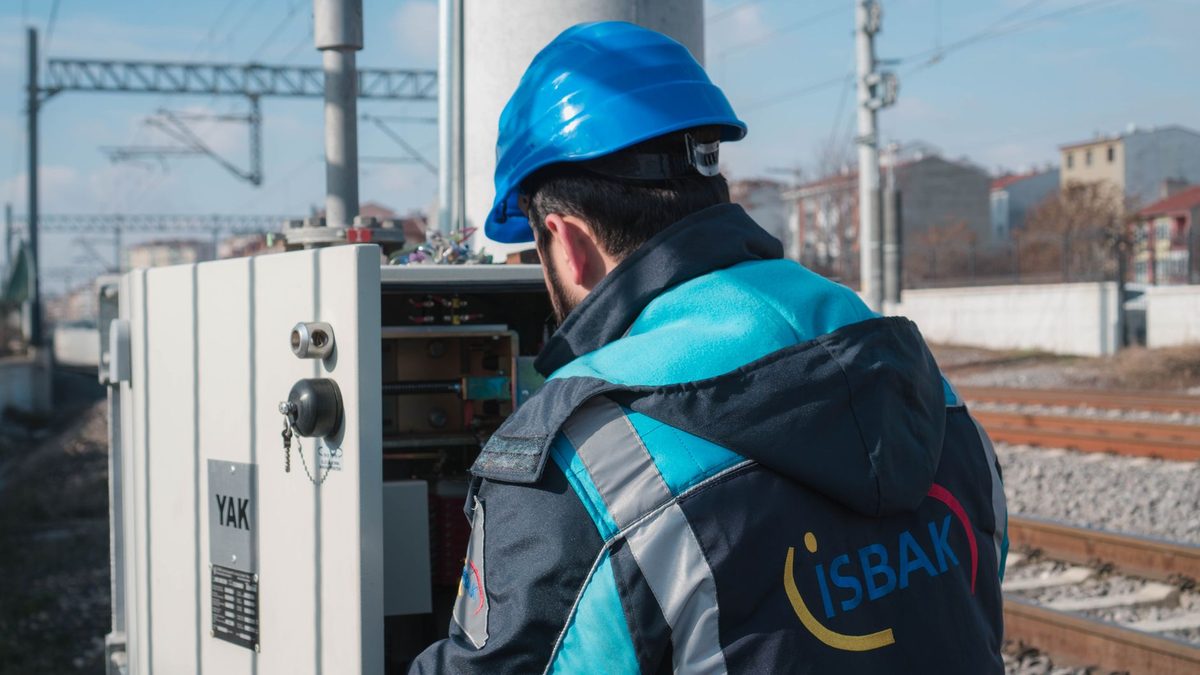
An EV charger does not automatically mean a larger panel is needed in Oshawa. A load calculation checks the existing demand and proposed charging load before deciding on capacity, load management or an upgrade. This guide explains the options to discuss with the contractor.
The load calculation, run on an Oshawa house
Everything starts with totalling what your home already pulls, then weighing the charger against what your service can carry. In a typical Oshawa house the draws that matter are:
- Heating: a gas furnace barely touches the panel, while electric baseboards or a heat pump take a big bite
- Central air, which runs hard through a humid Durham summer
- The kitchen range and oven, gas or electric
- An electric water heater or dryer, both steady pulls
- The new EV charger circuit on top of all of it
The pattern around here is clear: a gas-heated Oshawa home with a gas range usually has plenty of headroom even on 100 amps, while an all-electric house with electric heat and a big range is the one more likely to run tight. There is no eyeballing it, a licensed contractor does the actual math before a charger goes anywhere, because guessing wrong is exactly what the next point is about.
Why panel and circuit checks come first
A car charger is among the heaviest steady loads a house ever carries, and it runs for hours at a stretch. Hang one off a panel that is already close to maxed and you are over the line the Ontario Electrical Safety Code draws, and into genuinely unsafe territory. That is the whole reason the number comes before the install, not after.
What 100-amp and 200-amp mean for your street
The older Oshawa pockets, the streets around downtown and the older south end, are full of 100-amp services. North-end builds and renovated homes more often carry 200 amps. A 200-amp panel takes a charger almost without a second thought. A 100-amp panel still works in plenty of cases, and when it does not, you have options well short of tearing out the service.
Load management: the line you can cut
In Oshawa, a timer or app schedule chooses when charging starts; it does not by itself monitor all household loads. A contractor may use a lower configured current or an approved EV energy management system after checking capacity. Dynamic management needs compatible monitoring and control equipment, which may be sold separately. Tesla explains its power-management options; the contractor confirms equipment and compliance for your property.
Telltale signs your panel is tight
You do not need a meter to read the early warning signs before booking an assessment:
- A 100-amp main breaker, the norm in older Oshawa homes
- No spare slots, or tandem breakers already crammed in to make room
- Electric heat, range, and dryer that all run at once on a cold day
- Breakers that trip when a few big appliances fire together
None of these rules you out. They just make the load calculation matter more, because the calculation is what turns a hunch into a flat yes or no.
When an upgrade really is the answer
Sometimes the panel is simply full, with no open slots, or the service is genuinely maxed by electric heat and other loads. Then a panel upgrade to 200 amps is the right, lasting fix, and it future-proofs the home for a second EV or a heat pump. Your contractor can tell you straight which camp your house falls into instead of upselling a job you do not need.
The subpanel option
There is a middle path worth knowing about. When the main panel is simply out of physical space but the service itself has headroom, a subpanel is sometimes the right answer rather than a full upgrade. A subpanel adds breaker capacity fed from the main, giving the charger circuit a clean home without replacing the whole service. It is not always cheaper than an upgrade, but in the right situation it is a tidy, code-compliant fix that gets your charger in without the bigger job. Your contractor can tell you when your Oshawa home is a good candidate for it.
Installation facts and equipment guidance
ESA notification and contractor requirements explain electrical-work responsibilities. Manufacturer charging guidance explains why output varies by vehicle and power supply. Ask the confirmed contractor to apply those requirements to your Oshawa project.
First enquiry and later project review
Start with the short enquiry form: first name, preferred contact details and postal code. After first contact, the service provider may request the project details and photos below. The form does not take attachments.
- A clear photo of your panel with the door open, breakers visible
- Whether your heat, range, water heater, and dryer are gas or electric
- Your EV model and the charger you are after
- Whether a second EV is likely down the road
Start with Get A Free Quote. Your enquiry goes to the service provider, which may ask for panel and parking photos after first contact and confirms the contractor, scope, price and availability.
Frequently asked
Does an Oshawa home need 200 amps before it can charge an EV?+
A suitable charging circuit may use the existing service when the assessed demand allows it. Compare the permitted output with the commuter's energy needs rather than making 200 amps a universal prerequisite.
How does a gas-heated Oshawa house affect the load calculation?+
It helps a lot. Heating is one of the heaviest draws on a panel, so a gas furnace and a gas range leave far more headroom than electric heat and an electric range would. Many gas-heated Oshawa homes pass the load calculation on a 100-amp service with room for a charger, where an all-electric house on the same street might not.
What does a 200-amp upgrade add to an Oshawa charger job?+
Ask for the additional service work to be priced independently, including utility coordination, equipment and electrical approval charges. Then compare that complete scope with any suitable lower-current or managed charging alternative.
Can a load-managing charger save an older Oshawa panel from an upgrade?+
It may be suitable if the assessed design monitors and controls demand with compatible equipment. Compare its complete installed price and usable charging with an upgrade; a charger app's scheduling feature alone does not establish the saving.
Would a subpanel be cheaper than upgrading my Oshawa service?+
Sometimes it is the right call, sometimes not. When your main panel is simply out of physical slots but the service itself has headroom, a subpanel adds breaker space fed off the main and gives the charger a clean home without replacing the whole service. It is not automatically cheaper than an upgrade, but in the right Oshawa house it is the tidier, code-compliant fix, and your contractor can tell you which side your panel falls on.