Oshawa Power EV Charging Costs for Homeowners
If you drive the 401 out of Oshawa every day, your EV is the biggest new thing on your Oshawa Power bill, and overnight is the block where it costs the least. This is a budget-first read of the rates so a high-kilometre commuter can keep that line small.
Published
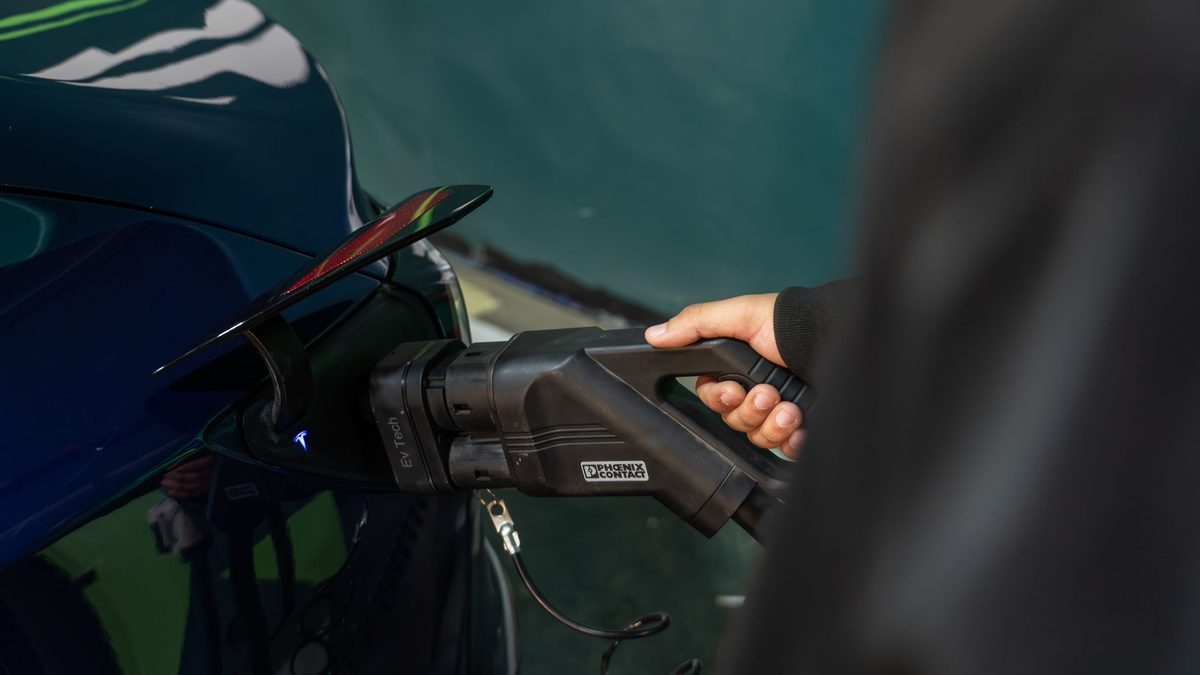
Picture the household this article is written for: a Durham commuter who points the car down the 401 most mornings and racks up real kilowatt-hours by month's end. Get the billing right and that adds little to your outgoings. Get it wrong and you hand money to peak hours for no reason. Oshawa EV Charger Pros wires the charger to fill in the cheapest block overnight, and this guide is the plain-English version of keeping your own bill on the low side.
Budget first: where the dollars actually go
For a heavy commuter the energy you buy to charge is the line that grows, so that is the one to manage, and two facts do most of the work. A daily 401 round trip burns more kilowatt-hours over a month than the average household uses. And what each of those kilowatt-hours costs depends entirely on the hour you draw it: overnight you pay the cheapest rate Oshawa Power charges, across the working day the dearest. For a budget-minded driver, that single choice is the whole game.
Tiered or time-of-use: pick by how you drive
Oshawa Power delivers your power, but the residential prices on the bill follow the framework the provincial regulator publishes, the same one every Ontario utility uses. You sit on one of two plans. Tiered hands you a flat price up to a monthly kilowatt-hour threshold, then a higher price on everything past it, and a daily commuter blows through that threshold fast. Time-of-use prices by the clock instead, cheapest overnight and dearest through the busy day. A high-kilometre Oshawa driver who can charge at night usually wants time-of-use, because the hours the car charges in are exactly the hours that plan discounts.
The cheap overnight block, and when it does not apply
On time-of-use, the overnight and early-morning stretch is the cheapest of the day, which is where a commuter charges anyway. Two extras are worth banking. Weekends and statutory holidays bill at the low overnight price right around the clock, so Sunday is a free pass for a big top-up before the week. The only time to keep the charger off is the on-peak stretch across the workday and early evening, when the grid is busiest. Since the car is in the driveway all night regardless, the cheap window is the default, as long as the charger is scheduled to use it rather than firing the moment you plug in after work.
A two-line cheat sheet for the commuter
You do not need a grid of every rate band to act on this. The decision really collapses to two lines:
| When the car charges | What it means for the budget |
|---|---|
| Overnight, weekends, and holidays | The cheapest power Oshawa Power sells, where every commuter charge should land |
| Across the workday and early evening | The priciest hours, worth keeping the charger off unless you genuinely have to top up |
Mid-peak shoulder hours sit between the two and rarely matter for a commuter, since the car is either at work or asleep during them. The exact prices are not ours to quote, and they are not fixed: the provincial regulator that sets them revises the cents-per-kilowatt-hour and the window times now and again, so pull the current figures straight from Oshawa Power. The shape, though, is what you plan around, and it does not move, cheap at night, dear by day.
Letting a smart charger do the budgeting
For a busy commuter the cheapest plan is the one you never think about. A smart charger set once to run only in the overnight block keeps every session on the low rate without a nightly decision. Most units log the kilowatt-hours and the cost, so you watch the bill rather than guess at it. On a Level 2 install the car ends up reliably full for the morning 401 run and reliably cheap to have filled.
Is the ultra-low overnight plan a better fit?
Ontario offers an ultra-low overnight rate plan built almost precisely for the commuter in this article, a rock-bottom late-night price traded against a higher daytime one. If you charge at night and the house draws little while everyone is out, it can beat standard time-of-use, so ask Oshawa Power whether your pattern qualifies. The catch is real and budget-relevant: the daytime rate goes up, so the plan only pays if you genuinely run the dishwasher, the laundry, and the car overnight and stay light through the day. A smart charger that pins the car to the overnight block keeps you on the winning side of that trade.
Changing your plan is a phone call, not a rewire
If you are on tiered pricing and the maths above points you to time-of-use or the ultra-low overnight plan, switching is a request to Oshawa Power, not a job for an electrician, and nothing in your house changes. There is usually a limit on how often you can swap, so choose deliberately. The deciding question is simply when your household pulls power, and a Durham commuter who charges at night and is out all day almost always lands ahead on a plan that rewards off-peak use.
The lines on the bill you cannot time away
Here is the part that trips up first-time EV owners on a tight budget: the cents-per-kilowatt-hour is only one piece of the statement. Oshawa Power also adds delivery and a set of regulatory charges, and those are owed the same whether you charge at 2 a.m. or 2 p.m., so no scheduling moves them. Charging only touches the energy portion, the one the time-of-use windows govern, so shifting the car to off-peak lowers the single part of the bill that answers to timing. Judge your charging cost by that energy line, set this month against the months before you scheduled, and the payoff is plain to see.
What to send before requesting a quote
- Your EV model and rough nightly charging need
- A photo of your panel for sizing
- Whether you want app scheduling or a simple timer
Want a setup that holds the car to the cheapest Oshawa Power hours on its own? Tell our installation team about your plan and parking on the quote form and we will match a smart charger and schedule to your rate plan.
Frequently asked
When should a 401 commuter set the charger to run to pay Oshawa Power the least?+
Point the schedule at the overnight off-peak stretch, the cheapest hours Oshawa Power bills, and treat weekends and holidays as fair game too since those run at the low rate all day. A commuter whose car sits in the driveway every night just aims the timer at that window and the lowest price takes care of itself.
I rack up high monthly kWh on the 401. Does tiered pricing cost me more on Oshawa Power?+
It can. Tiered gives one flat price up to a monthly threshold, then a steeper price above it, and a daily 401 drive burns through enough kilowatt-hours to clear that threshold and spill into the upper rate. Time-of-use instead discounts the overnight hours your car charges in, so for a high-kilometre Durham commuter it usually wins. Weigh both against your own usage before you commit.
Is the ultra-low overnight plan worth it for a Durham household that is out all day?+
Often it is the right call. Ontario's ultra-low overnight plan cuts the late-night price hard in exchange for a higher daytime one, so a home that charges the car at night and uses little power while everyone is at work tends to come out ahead. Check with Oshawa Power whether your pattern qualifies before switching.
Across a year of 401 commuting, what does a smart charger actually save?+
Its whole job is to keep every session inside the off-peak hours, so you never pay a peak rate for a charge that could have run at 2 a.m. The dollar figure follows how far you drive, but for a high-kilometre Oshawa commuter, holding to off-peak all year is money that quietly stacks up in the background of the bill.
If Oshawa Power revises its rates, does my overnight charging plan still pay off?+
Yes. The provincial regulator nudges the cents-per-kilowatt-hour and the window times from time to time, but the underlying shape holds: overnight is the cheap end and daytime the dear end. So pointing the car at the night keeps saving you money wherever the exact numbers land, which is why it is worth automating once and leaving alone.